Mastering the art of bluffing: Tips for poker enthusiasts
Understanding the Psychology of Bluffing
At the heart of a successful bluff lies an understanding of psychology. Bluffing is not merely about pretending to have a better hand; it involves reading your opponents and understanding their mindset. Skilled players often observe their opponents’ reactions, betting patterns, and body language to gauge their confidence levels. By doing so, you can position your bluff more effectively and increase your chances of success. For example, if you enjoy playing games at online casinos, the MCW Casino offers many opportunities to practice your skills, especially if an opponent appears tense and uncertain, they might be hiding a weak hand, making it a prime opportunity for you to bluff.
Moreover, emotional intelligence plays a crucial role in the art of bluffing. Recognizing when to apply pressure and when to let go can distinguish an average player from an exceptional one. The ability to remain calm and composed while executing a bluff is vital. A jittery demeanor can raise suspicion, while a confident, relaxed appearance can help in convincing your opponents of your strong position. Understanding these nuances can significantly enhance your bluffing strategy.
Finally, consider the overall game context when planning your bluff. Factors like stack sizes, previous hands, and game dynamics can influence how your bluff is perceived. For instance, a bluff that might work in a tournament setting where players are tightly knit may fail miserably in a cash game where players are more willing to call. Adapting your bluffing strategy based on these elements helps ensure it aligns with the overall game flow.
Types of Bluffs and When to Use Them
There are various types of bluffs, each suited to different situations. The most common form is the pure bluff, where a player bets or raises without holding a strong hand, hoping to make their opponents fold. This type of bluff is most effective when there is a convincing board or when your opponents seem tentative about their holdings. For instance, if you forcefully bet on a board that appears advantageous for a straight or flush, you can often push opponents out of the pot.
Another type is the semi-bluff, where a player bets with a drawing hand that may improve on later streets. This strategy is beneficial because even if the opponent calls, there’s still potential for you to hit your draw and secure a strong hand. For example, holding a flush draw allows you to bet confidently, suggesting you may already hold a strong hand while having the possibility of improving your position. Timing and context are key in determining when to execute this type of bluff.
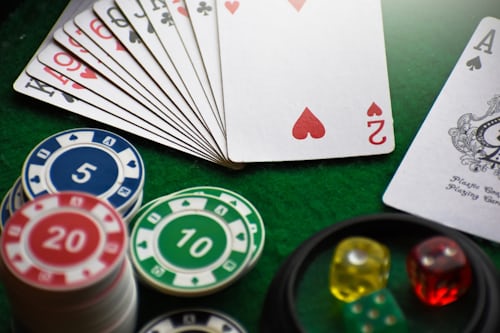
Lastly, the value bluff comes into play when there’s a reasonable chance your hand is better than your opponents’ but not strong enough to bet outright. In this case, players may bluff small amounts to gain extra value instead of scaring away opponents. Understanding which type of bluff to use and when can make a significant difference in your overall strategy. Tailoring your approach according to both your hand and your opponents’ tendencies ensures that you remain unpredictable and effective in your game.
Mastering Body Language and Tells
Body language is an often-overlooked aspect of successful bluffing. Players communicate not just through their bets but also through their physical demeanor. Strengthening your ability to read opponents will help you identify potential tells that indicate whether they are likely to call, fold, or raise. For instance, nervous habits like fidgeting or excessive sweating can suggest weakness, whereas a relaxed posture may indicate confidence. By mastering these cues, you can create more effective bluffs that capitalize on your opponents’ weaknesses.
However, it’s equally important to manage your own body language when bluffing. A well-executed bluff should be supported by a calm and confident demeanor. Avoid fidgeting, maintaining eye contact can help reinforce the story your betting is telling. If you give off signals of doubt, your opponents may pick up on them and decide to call your bluff. Practicing your body language at lower stakes or with friends can help you develop a more controlled and assertive presence at the table.
Learning to blend body language with your betting patterns is crucial for successful bluffing. For instance, if you are more aggressive in certain moments, consider pairing that energy with a strong and assertive posture. This combination will increase the authenticity of your bluff, making it more believable. Understanding the dynamics of body language can enhance your overall effectiveness as a player, increasing the success rate of your bluffs in the long run.
Building a Credible Image at the Table
Your image at the poker table plays a significant role in the success of your bluffs. If you are perceived as a tight and conservative player, your bluffs are likely to be believed. Conversely, if you have a reputation for being reckless, opponents may be less likely to fold against your bets. Establishing a credible persona often takes time, but it can pay off generously in terms of successful bluffs. Playing a balanced strategy while mixing up your game will contribute to building this image.

Another factor to consider is the narrative you create through your betting behavior. If you consistently bet aggressively when you are strong, when you do decide to bluff, your opponents may more readily believe your story. Creating a storyline through your plays reinforces the believability of your bluffs. For instance, if you’ve previously shown strength on certain hands, leveraging that narrative when bluffing can create doubt in your opponents’ minds.
Additionally, transparency can enhance your bluffs. If you engage in conversations with other players or share your thoughts, it can create a deceptive rapport where your opponents might underestimate your strategic abilities. This strategy works especially well in casual settings, where players might be more inclined to let their guard down. By curating a table image that showcases your strengths while masking your bluffing intentions, you pave the way for a more successful bluffing strategy.
Practical Tips for Effective Bluffing
To enhance your bluffing skills, practice is essential. Engage in regular games where you can experiment with different bluffing techniques and observe their outcomes. Pay attention to how various opponents react to your bluffs. Keeping a journal can be beneficial, allowing you to track which strategies worked and which didn’t. Over time, this practice will help you develop an instinctive sense of when to bluff and when to hold back, improving your overall game performance.
Another practical tip is to vary your bluffing frequency. If you bluff too often, opponents will catch on and start calling you more frequently. Conversely, bluffing too infrequently can make you predictable. Striking a balance is key to maintaining the element of surprise. A good rule of thumb is to incorporate bluffs into approximately 10-15% of your overall plays, adjusting based on specific dynamics at the table.
Finally, always evaluate the risk versus reward when deciding to bluff. Consider the pot odds and your opponents’ tendencies before executing a bluff. If the potential reward outweighs the risk of being called, it may be worth the gamble. Moreover, understanding your own table position and the strength of your opponents’ hands can influence your decision-making. An adaptable approach will help you refine your bluffing strategy, ultimately leading to more successful outcomes in your poker games.